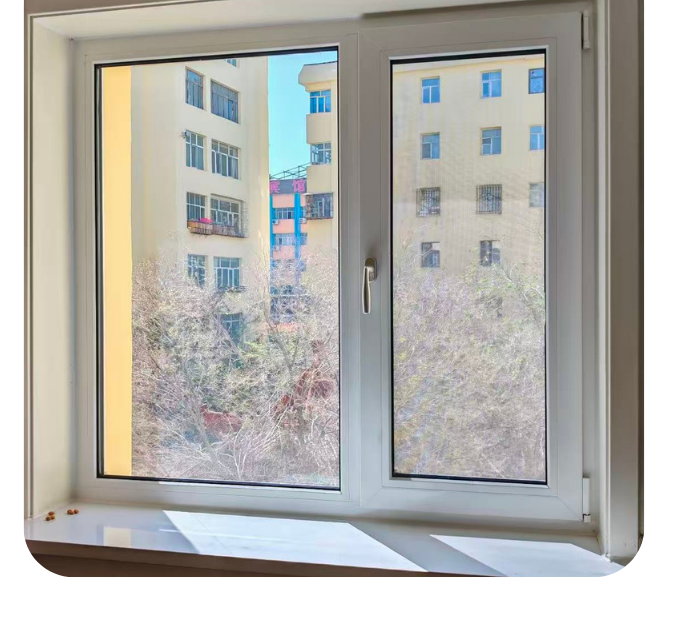
PVB LAMINATED ACOUSTIC GLASS — Most acoustic glass customers choose is PVB laminated acoustic glass. Standard insulated glass supplied in many new residential developments is inexpensive and simple to manufacture, and can be produced by most glass shops. PVB acoustic glass offers stable performance and excellent sound insulation.
EXCELLENT SOUND INSULATIONENHANCED SAFETYENERGY EFFICIENT
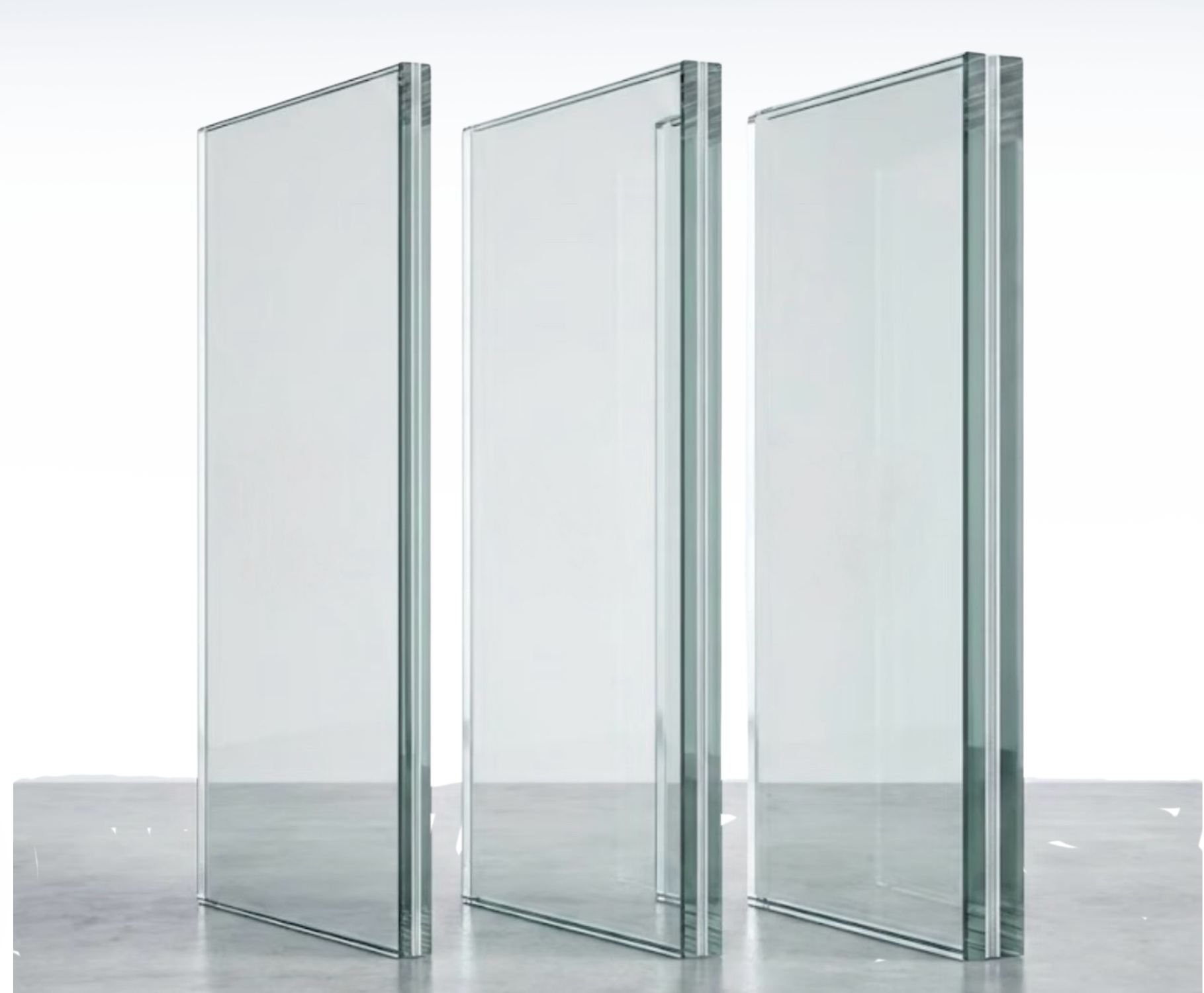
WHY PVB INTERLAYERS REDUCE NOISE
Core functions: dissipate vibration energy, suppress resonance and improve laminated-glass integrity
Sound-wave energyGlass-pane vibrationPVB damping
and dissipationReduced transmitted sound
and dissipationReduced transmitted sound
DAMPING:Converts vibration energy into small amounts of dissipated heatLAMINATION:The glass panes work together, improving overall density and integritySAFETY REDUNDANCY:Glass fragments remain bonded to the PVB interlayer after breakage
Note: Glass fragments remain bonded to the PVB interlayer after breakage.
Simply put, PVB laminated acoustic glass sandwiches one or more PVB acoustic interlayers between two or more glass panes. In addition to excellent sound insulation, it provides outstanding safety. When the acoustic layer is damaged by external impact, the glass cracks but does not shatter or scatter, helping protect nearby people and objects. It also offers strong resistance to deliberate damage, theft and forced entry.DAMPING:Converts vibration energy into small amounts of dissipated heatLAMINATION:The glass panes work together, improving overall density and integritySAFETY REDUNDANCY:Glass fragments remain bonded to the PVB interlayer after breakage

Vacuum glass separates two flat panes with spacers, seals the perimeter, evacuates the cavity and closes the exhaust port. Its operating principle is similar to that of a vacuum flask. However, manufacturing constraints result in a relatively high after-sales failure rate; once air enters, the vacuum structure fails and sound-insulation performance declines.
Insulated glass consists of two panes separated by a 6–9 mm cavity filled with dry inert gas. It is widely used by property developers, but its ability to block noise is relatively limited.
APPLICATION OF ACCESSORIES AND PROFILESFOR SOUNDPROOF GLAZING
Acoustic glass is made from two or three panes of specially manufactured glass and is heavier than standard glazing.
Ordinary aluminium profiles or low-quality frames can deform and loosen under prolonged loading, creating significant safety risks.
Steel-reinforced PVC profiles place steel reinforcement inside the PVC chambers to increase frame rigidity.
Bri-Light uses acoustically optimised steel-reinforced PVC frames (Conch profiles), paired with dedicated acoustic seals
to create a quieter living space.

Automotive-grade double, triple
and quadruple laminated acoustic
glass (PVB damping interlayers)Automotive-grade EPDM closed-cell acoustic seals resist low temperatures, heat ageing and ozone, effectively isolating road and vehicle noiseThickened custom steel reinforcement
uses specially galvanised steel to
increase load capacity and resist corrosion60-series Conch multi-chamber profile
with seamless welds prevents
sound leakage
HIGH WIND RESISTANCEHIGH WATER TIGHTNESSHIGH AIR TIGHTNESSHIGH SOUND INSULATION
HIGH-TRANSPARENCY

HIGH-STRENGTH THICKENED STEEL
TO CHINESE NATIONAL STANDARDS
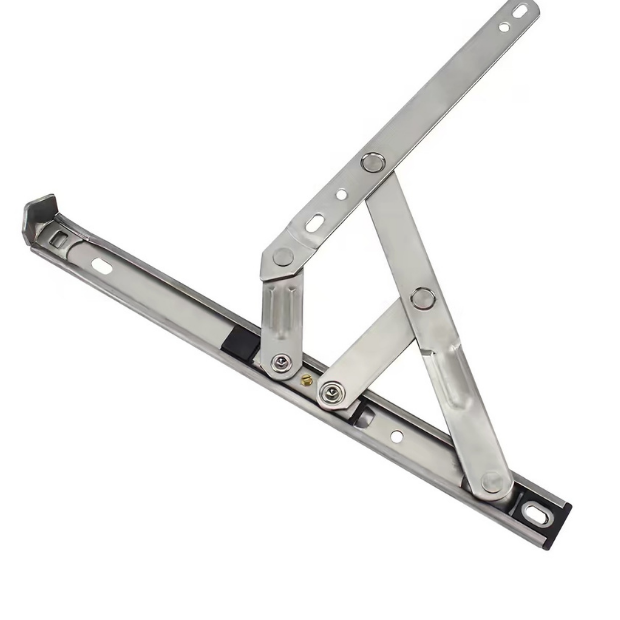
THICKENED 304
STAINLESS-STEEL HINGE